











A child-friendly community is geared towards the interests and needs of children and young people. We have developed the four key areas of our program based on the UN Convention on the Rights of the Child and the experiences of the international Child Friendly Cities Initiative.
For us, it goes without saying that children's rights must always be respected. This should also be reflected in the daily actions of politicians and administrators. The welfare of children encompasses health conditions, protection from violence, safe spaces, opportunities for exercise, play, and leisure - in short, all aspects of young people's lives.
To this end, all actors at the local level must be familiar with the objectives of the UN Convention on the Rights of the Child and implement appropriate measures in their fields of work. When administrative decisions have an impact on the lives of children, the interests of children are always given priority in the decision-making process. The administration ensures this in a sustainable manner through appropriate procedures and regulations.
Would your child know who to turn to in the city if they had a concern? Probably not. That's why child-friendly communities have contact points for children and young people. They act as a link between politics, administration, and children. Ombuds offices also support young people in asserting their rights.
Local authorities have a wide range of options when it comes to setting up contact points: for example, a children and youth office or a representative can serve as an advocate. In short, a child-friendly municipality guarantees that children's interests are represented and enforced. Beyond its own structures, it also initiates and supports regional networks and works together with strategic partners and children's rights organizations.
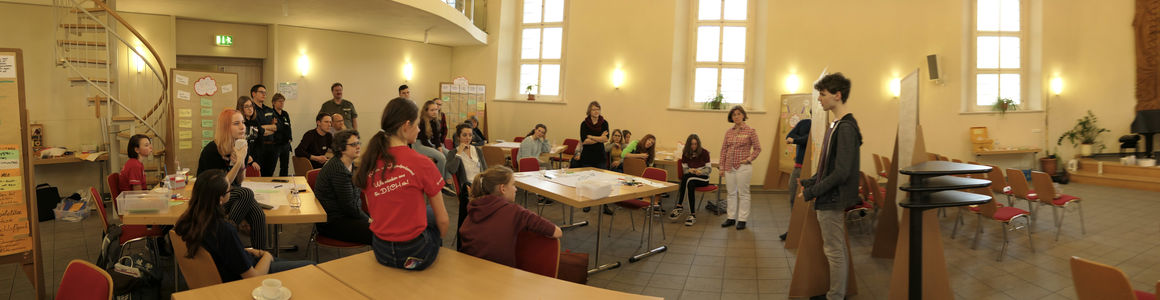
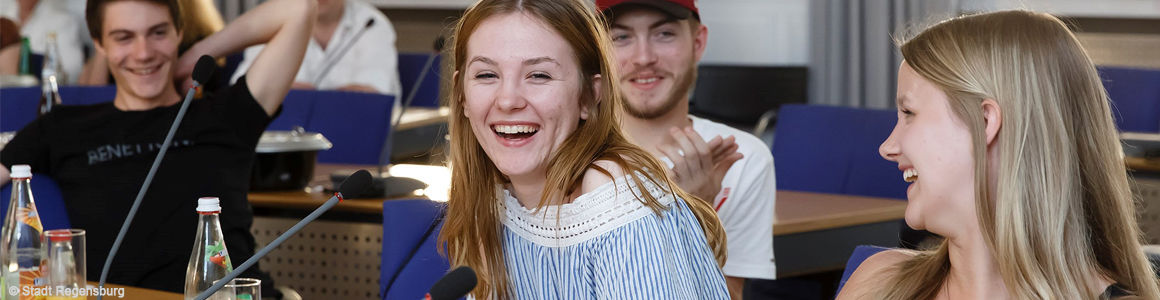
Children and teenagers want to get involved. That's why a child-friendly community offers a wide range of opportunities for young people to participate. Participation processes have been developed and written down in long-term concepts. There is trained staff who are responsible for facilitating participation procedures. One way to participate regularly in the municipality is through children's and youth parliaments, children's and youth advisory councils, and similar bodies, where they advise on municipal matters, develop their own projects, and actively participate in shaping their community. In these committees or in shorter-term participation initiatives, children and young people also have the opportunity to manage their own budget. This enables them to support projects by and for children and young people in their community.
The municipality provides information about children's rights across generations. After all, only those who know their own rights and the rights of others can assert them. Child-friendly local authorities also provide comprehensive information about all measures available for young people. They regularly compile reports on the current situation of children and young people.
Children and their families in special circumstances need important information and learn everything about counselling services, support options and contact points in their area. Children and young people have the opportunity to maintain their own communication platforms.
flyer 2024 (in german)
brochure 2025 (in german)
Good Practice in Child Friendly Cities 2019 (in english)